
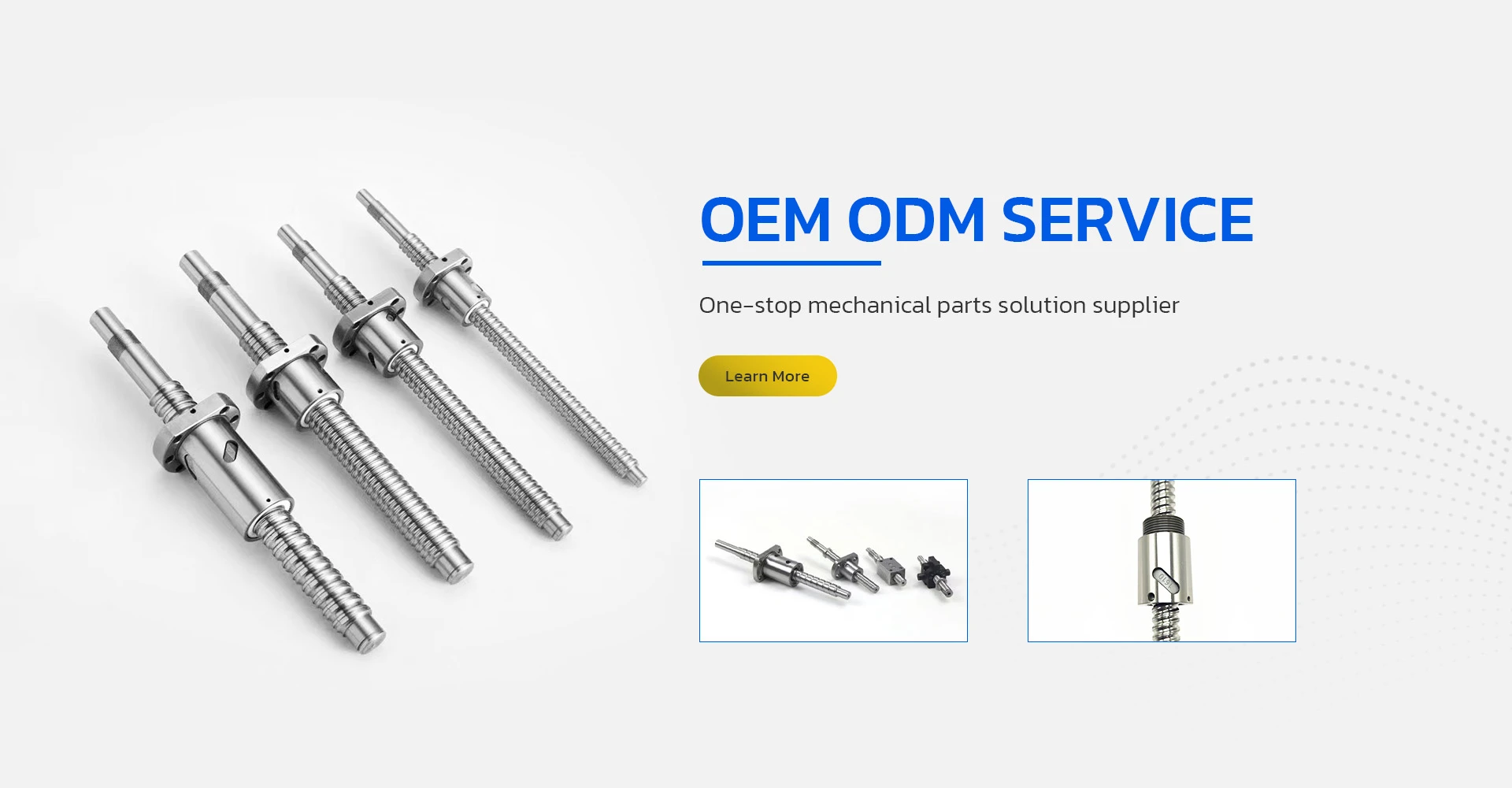







ball spline shaft
Introduction to High Torque Ball Spline Technology In high-precision industrial applications, the demand for robust, accurate, and maintenance-free linear motion components is paramount. Ball splines, particularly high-torque variants, represent a critical technology for achieving precise rotational and linear motion simultaneously. We delve into the specifics of the High Torque Type Ball Spline SLS25 SLS30 Solid/Hollow Ball Spline Shaft , exploring its design, manufacturing excellence, and strategic advantages across diverse B2B sectors. These specialized ball splines are engineered to transmit significant torque while allowing for smooth linear movement. They address the limitations of conventional splines by incorporating recirculating ball elements, dramatically reducing friction and wear. This design ensures exceptional longevity and positional accuracy, making them indispensable in advanced automation and heavy-duty machinery. Industry Trends and Market Demand for High Torque Ball Splines The industrial landscape is continuously evolving, driven by demands for higher productivity, greater precision, and reduced operational costs. Key trends influencing the adoption of high-performance linear motion components include: Automation and Robotics Expansion: The proliferation of industrial robots and automated production lines necessitates components capable of high-speed, high-load, and high-accuracy movements. Ball splines are crucial for robotic arms, pick-and-place mechanisms, and automated assembly systems. Growth in Specialized Manufacturing: Industries such as semiconductor manufacturing, aerospace, and medical device production require ultra-precise positioning systems where backlash and friction must be minimized. Demand for Energy Efficiency: Reduced friction in ball splines translates directly into lower power consumption for machinery, aligning with global sustainability initiatives and cost-saving objectives. Miniaturization and Increased Power Density: As equipment becomes more compact, components must offer higher performance within smaller footprints, making high-torque ball splines with optimized designs highly desirable. Maintenance-Free Operation: The trend towards "set and forget" components that require minimal lubrication and maintenance is driving demand for sealed, long-life ball spline systems, reducing downtime and operational expenditure. These trends highlight a strong and growing market for advanced motion control solutions like the High Torque Type Ball Spline SLS25 SLS30 Solid/Hollow Ball Spline Shaft , which offers the reliability and performance required by modern industrial applications. Technical Specifications and Product Structure The High Torque Type Ball Spline SLS25 SLS30 Solid/Hollow Ball Spline Shaft series is meticulously engineered to provide superior performance under demanding conditions. The core of its design lies in the precise arrangement of load-bearing balls within recirculating grooves, allowing for seamless linear and rotational motion. Design and Material Excellence The product features a spline shaft with multiple raceway grooves and a corresponding spline nut containing precisely aligned ball circuits. The solid shaft version provides maximum rigidity and torque capacity, while the hollow shaft variant allows for routing cables, wiring, or fluids through its center, a significant advantage in compact or complex machinery. Both types are typically manufactured from high-alloy steel, meticulously hardened and ground to achieve exceptional surface finish and dimensional accuracy, critical for minimizing friction and maximizing load capacity. Key structural elements include the precision-ground spline shaft, the robust spline nut with integrated ball retainers, and the high-grade steel balls. The design ensures high rigidity in both torsional and linear directions, minimal backlash, and excellent concentricity. SLS25/SLS30 Series Specification Overview Below is a representative table outlining typical specifications for the SLS25 and SLS30 series. Actual parameters may vary based on specific configurations and customization requests. Parameter SLS25 Series (Typical) SLS30 Series (Typical) Shaft Diameter (mm) 25 30 Nut Length (mm) Typically 60-120 Typically 70-140 Dynamic Torque Capacity (N·m) Up to 250 Up to 400 Static Torque Capacity (N·m) Up to 500 Up to 800 Dynamic Load Rating (N) Up to 15,000 Up to 25,000 Static Load Rating (N) Up to 30,000 Up to 50,000 Number of Ball Circuits Typically 3-6 Typically 4-8 Precision Grade P0, P1, P2 (ISO equivalents) P0, P1, P2 (ISO equivalents) Manufacturing Process Flow and Quality Assurance The production of a high-performance component like the High Torque Type Ball Spline SLS25 SLS30 Solid/Hollow Ball Spline Shaft demands stringent control at every stage. Our manufacturing process integrates advanced techniques with rigorous quality checks to ensure consistent excellence and adherence to international standards. Detailed Process Steps: Material Selection and Preparation: High-grade alloy steel (e.g., SCM440, 42CrMo) is selected for its superior strength, hardness, and wear resistance. Initial material inspection ensures chemical composition and metallurgical properties meet specifications. Rough Machining (Turning/Milling): The raw steel bar undergoes initial shaping to approximate the spline shaft and nut dimensions. This prepares the material for subsequent heat treatment and precision grinding. Heat Treatment (Carburizing/Quenching/Tempering): This critical step enhances the surface hardness and core toughness. Carburizing introduces carbon to the surface, followed by quenching to harden the material, and tempering to reduce brittleness, achieving a desired hardness typically in the range of HRC 58-62. Precision Grinding (Spline Profiles and Diameters): Utilizing advanced CNC grinding machines, the spline grooves and shaft diameters are meticulously ground to sub-micron tolerances. This ensures exceptional form accuracy, surface finish, and eliminates friction. The grinding process is crucial for achieving high linear and rotational accuracy. Surface Treatment (Optional): Depending on application requirements, surface treatments such as black oxidation or chrome plating can be applied to enhance corrosion resistance, particularly for use in harsh environments (e.g., petrochemical, marine). Component Assembly: Precision-manufactured spline shafts, nuts, and high-grade steel balls are assembled in a cleanroom environment to prevent contamination. Ball recirculation mechanisms are carefully integrated. Performance Testing and Inspection: Each unit undergoes comprehensive testing for linear motion smoothness, rotational torque, backlash, rigidity, and dimensional accuracy using CMMs (Coordinate Measuring Machines) and specialized test benches. We adhere to international testing standards such as ISO 14020 for geometric product specifications and ISO 14001 for environmental management systems, ensuring environmental responsibility throughout the process. Lubrication and Packaging: After passing all tests, the ball splines are pre-lubricated with high-performance grease, sealed, and meticulously packaged to prevent damage during transit. Target Industries and Application Advantages: This robust manufacturing process ensures the resultant ball splines offer distinct advantages in demanding sectors: Petrochemical: Corrosion resistance from specialized coatings ensures reliability in chemical-rich environments. Metallurgy: High load capacity and rigidity withstand heavy-duty operations, extending service life in extreme conditions. Water Supply & Drainage: Sealed designs and appropriate materials provide longevity against moisture and corrosive elements. Energy Saving: The low-friction design inherently contributes to energy savings by reducing the power required to drive linear and rotational motion. The typical service life of these high-torque ball splines, when properly installed and maintained, often exceeds 10,000 km of travel or tens of thousands of operating hours, significantly outperforming conventional sliding splines. Technical Advantages of the SLS25/SLS30 Series The design and manufacturing precision of the High Torque Type Ball Spline SLS25 SLS30 Solid/Hollow Ball Spline Shaft confer several critical advantages for industrial applications: High Torque Transmission: Engineered for superior torque capacity, these ball splines reliably transmit significant rotational forces with minimal torsional deflection, crucial for heavy-duty indexing and power transmission. Low Friction and Smooth Motion: The recirculating ball mechanism drastically reduces the coefficient of friction compared to conventional splines, enabling smooth, stick-slip-free linear motion with minimal driving force. This also contributes to significant energy savings. High Rigidity and Precision: The optimized ball groove geometry and precision grinding result in high torsional and linear rigidity, ensuring excellent positional accuracy and repeatability, essential for precision assembly and machining. Extended Service Life: With reduced wear due to rolling contact, combined with robust material selection and surface treatments, the lifespan of the SLS25/SLS30 series is substantially extended, reducing maintenance needs and total cost of ownership. Corrosion Resistance: Options for specialized coatings and materials provide enhanced protection against corrosive environments, expanding their applicability in sectors like chemical processing and offshore operations. Compact Design Options (Hollow Shaft): The hollow shaft variant offers practical benefits for machine designers, allowing for efficient integration of internal wiring, pneumatic lines, or coolant systems, leading to more compact and streamlined machine designs. Minimal Backlash: The preloaded design of the ball spline system minimizes backlash, providing highly accurate and repeatable movements, which is paramount in applications requiring fine control. Application Scenarios and Customer Experiences The versatility and robust performance of the SLS25/SLS30 series make them ideal for a broad spectrum of demanding industrial applications where simultaneous linear and rotational motion, coupled with high torque, is required. Key Application Areas: Robotics and Automation: For the articulated joints of robotic arms, SCARA robots, and linear actuators requiring precise control over tool orientation and position. The hollow shaft variant is particularly useful for integrated wiring. Machine Tools: In automatic tool changers, turret indexing mechanisms, and work-holding devices that require high-rigidity and precise angular positioning under heavy loads. Semiconductor Manufacturing Equipment: For wafer handling systems and precise positioning stages where ultra-low particulate generation and high accuracy are critical. Packaging Machinery: In precise indexing tables, capping machines, and labeling equipment that demand fast, repeatable, and accurate motion cycles. Specialized Test and Measurement Equipment: For calibration benches and inspection systems where maintaining precise alignment during combined linear and rotational adjustments is essential. Medical Devices: In advanced diagnostic equipment and surgical robots, ensuring smooth, controlled, and precise movements for sensitive operations. Customer Feedback and Service Cases: A leading manufacturer of precision assembly robots integrated the SLS25 solid shaft ball spline into their latest generation of robotic arms. Their feedback highlighted a significant improvement in rotational stiffness and reduction in backlash, which translated directly into tighter assembly tolerances and reduced scrap rates. "The accuracy and longevity of these ball splines have exceeded our expectations, contributing to a noticeable increase in our robotic system's overall performance and reliability," commented their lead engineer. In another instance, a heavy-duty packaging line experiencing frequent downtime due to spline wear was retrofitted with the SLS30 hollow shaft ball spline. The customer reported a 40% reduction in maintenance cycles and a substantial increase in throughput, attributing the improvements to the high torque capacity and low-friction design. The hollow core facilitated easier cable management for their integrated sensors. Vendor Comparison: Why Choose Our High Torque Ball Splines While the market offers various ball spline solutions, the High Torque Type Ball Spline SLS25 SLS30 Solid/Hollow Ball Spline Shaft stands out due to a confluence of design innovation, material quality, and manufacturing precision. Below is a comparative overview highlighting our distinguishing factors: Feature Our SLS25/SLS30 Series Standard Market Offerings Torque Capacity High (optimized ball groove design, robust materials) Moderate to High (can vary significantly) Precision & Backlash P0/P1/P2 grades, minimal backlash via preload Often P1/P2 grades, higher backlash without specific preload Service Life Extended (optimized heat treatment, low friction, superior materials) Standard (can be shorter under heavy loads) Corrosion Resistance Options Available (specific coatings, stainless steel variants) Limited, often requires custom orders Customization Capability High (shaft length, end machining, hollow/solid, coatings) Moderate to low (standard catalog products) Technical Support Dedicated engineering team, application guidance Basic product support Our commitment to leveraging cutting-edge manufacturing processes and high-quality materials ensures that our SLS25/SLS30 series not only meets but often exceeds the performance benchmarks of competitor products, delivering superior value and reliability to our B2B clients. Customized Solutions and Partner Collaboration Recognizing that no two industrial applications are identical, we specialize in providing tailored solutions for the High Torque Type Ball Spline SLS25 SLS30 Solid/Hollow Ball Spline Shaft to meet unique project requirements. Our engineering team works closely with clients from conceptualization through implementation, ensuring optimal integration and performance. Areas of Customization: Shaft Length and End Machining: We offer precise cutting to specific lengths and customize shaft ends with keyways, mounting holes, or threads to seamlessly fit existing drive systems. Material Modifications: For extreme environments, specialized alloys or surface hardening treatments can be incorporated. Corrosion-Resistant Coatings: Application of specific coatings for enhanced protection against chemicals, moisture, or high temperatures. Lubrication and Sealing: Selection of application-specific lubricants (e.g., food-grade, high-temperature, cleanroom compatible) and custom sealing arrangements for demanding operating conditions. Tolerance and Preload Adjustment: Fine-tuning of precision grades and preload to achieve specific backlash requirements or rigidity demands. Our collaborative approach extends to long-term partnerships, providing ongoing technical support and optimization services to maximize the lifecycle value of our ball spline systems. Real-World Application Case Studies Case Study 1: High-Speed Gantry Robot for Semiconductor Fabrication Client: A global leader in semiconductor equipment manufacturing. Challenge: The client required a linear and rotational motion solution for a gantry robot that picks and places silicon wafers. The system demanded extremely high precision (micron-level positioning), low particulate generation, high-speed movement, and minimal vibration during combined linear and rotational indexing. Previous solutions suffered from excessive wear and required frequent re-calibration. Solution: We implemented a customized High Torque Type Ball Spline SLS25 Solid Ball Spline Shaft system. The solid shaft provided necessary rigidity, while the ball spline's inherent low-friction design and high precision met the stringent positional accuracy requirements. Specialized lubrication compatible with cleanroom environments was used, and the system was engineered for minimal outgassing. Outcome: The integrated SLS25 ball splines delivered exceptional performance. The client observed a 15% increase in throughput due to faster, more stable movements, and a 20% improvement in positional repeatability. The estimated service life was significantly extended, reducing scheduled maintenance by 30%, which resulted in substantial operational cost savings. Case Study 2: Automated Valve Actuator for Petrochemical Plant Client: A major petrochemical processing facility. Challenge: Automated control valves in a corrosive outdoor environment required a robust linear-rotational mechanism that could withstand chemical exposure, temperature fluctuations, and continuous operation. The previous mechanism (a traditional keyway spline) exhibited rapid wear and corrosion, leading to frequent failures and hazardous manual interventions. Solution: We provided a custom High Torque Type Ball Spline SLS30 Hollow Ball Spline Shaft . The shaft and nut components were fabricated from stainless steel and treated with a specialized anti-corrosion coating. The hollow core was utilized for routing pneumatic lines directly to the valve head, streamlining the design. The robust design ensured high torque transmission for valve actuation and smooth linear travel for precise flow control. Outcome: The SLS30 hollow ball spline demonstrated superior resilience against the harsh environment. The client reported zero failures related to the ball spline mechanism over two years of continuous operation, a stark contrast to the previous system's quarterly failures. This led to enhanced safety, reduced maintenance costs by 60%, and improved process reliability, demonstrating the ball spline's exceptional corrosion resistance and durability in challenging industrial settings. Quality Assurance, Certifications, and Authoritativeness Our commitment to quality is unwavering, underpinning the reliability and performance of every product, including the SLS25/SLS30 series. We adhere to rigorous international standards and maintain comprehensive quality management systems. Certifications and Standards: ISO 9001:2015 Certified: Our entire manufacturing and quality management process is certified to ISO 9001, ensuring consistent product quality and continuous improvement. Adherence to International Standards: Our products are designed and tested in compliance with relevant ISO (International Organization for Standardization) and ANSI (American National Standards Institute) standards for linear motion components. Material Traceability: Full traceability of raw materials from accredited suppliers, ensuring the integrity and quality of every component. Partner Clients and Years of Service: We have proudly served a diverse portfolio of clients across various high-tech and heavy industries for over two decades. Our long-standing relationships with leading manufacturers in automation, aerospace, and specialized machinery underscore our reputation as a trusted supplier of high-performance linear motion solutions. Our track record includes successful collaborations on projects requiring extreme precision and durability. Test Data and Analysis: Each batch of our ball splines undergoes stringent functional and material testing. This includes: Endurance Testing: Long-duration cyclic loading tests to simulate real-world conditions and verify calculated service life. Data consistently shows performance exceeding industry averages. Precision Measurement: Utilizing coordinate measuring machines (CMMs) and laser interferometers for verifying geometric tolerances, straightness, and parallelism. Torque and Friction Tests: Quantifying static and dynamic torque capacity, as well as friction coefficients under various load conditions to ensure energy efficiency. Trustworthiness: FAQ, Lead Time, Warranty & Support Frequently Asked Questions (FAQ) Q: What is the primary difference between solid and hollow SLS series shafts? A: The solid shaft offers maximum rigidity and torque transmission for applications where structural strength is paramount. The hollow shaft provides a central conduit for routing cables, pneumatic lines, or fluids, ideal for compact designs or specific operational needs, with a slight trade-off in ultimate torsional rigidity. Q: How do I select the correct size (SLS25 vs. SLS30)? A: Selection depends on the specific application's load requirements (dynamic and static), required torque, operational speed, and environmental conditions. Our engineering team can assist with precise calculations and recommendations based on your technical specifications. Q: Is maintenance required for these ball splines? A: While designed for long, low-maintenance operation, periodic re-lubrication is generally recommended to maximize service life, especially in high-cycle or contaminated environments. The specific interval depends on operating conditions and chosen lubricant. Our product manuals provide detailed guidelines. Lead Time and Fulfillment Standard configurations of the SLS25 and SLS30 series typically have a lead time of 4-6 weeks from order confirmation, subject to current stock levels and production schedules. Custom solutions may require 8-12 weeks, depending on complexity and material sourcing. We maintain open communication regarding delivery schedules and provide real-time updates. Warranty Commitments We offer a comprehensive 12-month warranty from the date of shipment against defects in materials and workmanship for all our ball spline products. This warranty ensures peace of mind and reflects our confidence in the quality and durability of our engineering. Full terms and conditions are available upon request. Customer Support Information Our dedicated customer support and technical assistance teams are available to provide expert guidance and resolve any inquiries. For technical specifications, application engineering support, or after-sales service, please contact us via our website's contact form, email, or direct phone line. We are committed to ensuring the optimal performance and longevity of your investment. Conclusion The High Torque Type Ball Spline SLS25 SLS30 Solid/Hollow Ball Spline Shaft represents a pinnacle of precision engineering, offering unparalleled performance for simultaneous linear and rotational motion. Its robust design, superior torque capacity, low friction, and extended service life make it an indispensable component for industries demanding the highest levels of accuracy and reliability. Through meticulous manufacturing, adherence to international quality standards, and a customer-centric approach to customization and support, we empower B2B clients to achieve new benchmarks in automation, efficiency, and operational excellence. References ISO. (2018). ISO 9001:2015 - Quality management systems – Requirements. International Organization for Standardization. Slocum, A. H. (1992). Precision Machine Design. Society of Manufacturing Engineers. THK. (2018). THK General Catalog No. 2200E - Ball Spline. Scholten, J. (2007). Linear Motion Technology. McGraw-Hill Education. National Institute of Standards and Technology (NIST). (2008). Handbook of Dimensional Measurement.
Our Bearings And Technology
One-stop linear motion supplier, product solution provider
rod and pinion
gear and rack,rack and pinion,rack and pinion gear,gear rack suppliers,buy rack and pinion is a key solution in the manufacturing industry, specifically within General equipment manufacturing industry and Manufacturing of gears and gear transmission devices. This article explores how HEBEI YIDI IMPORT AND EXPORT TRADING CO.,LTD. supports professionals with durable, high-performance products, and e
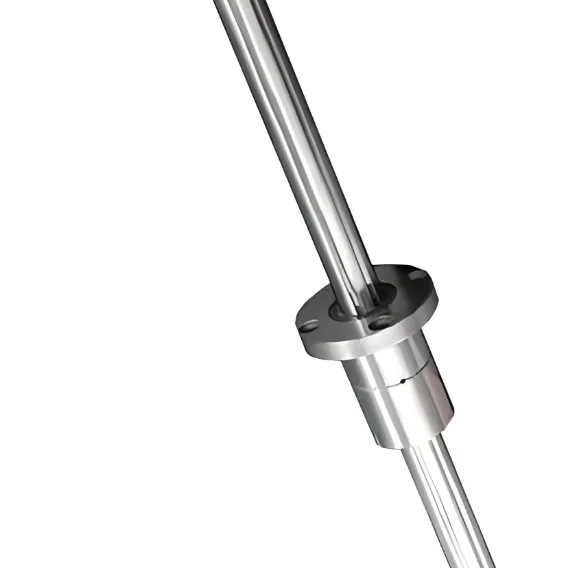
6203zz
Elevating Precision: An In-Depth Look at DFU Ball Screws, C3 Grade, and Double Nut Configurations In the realm of industrial automation and precision machinery, the demand for components that deliver exceptional accuracy, rigidity, and longevity is paramount. Central to achieving these objectives are advanced linear motion solutions. Among the most critical is the DFU Ball Screw C3 Ball Screw And
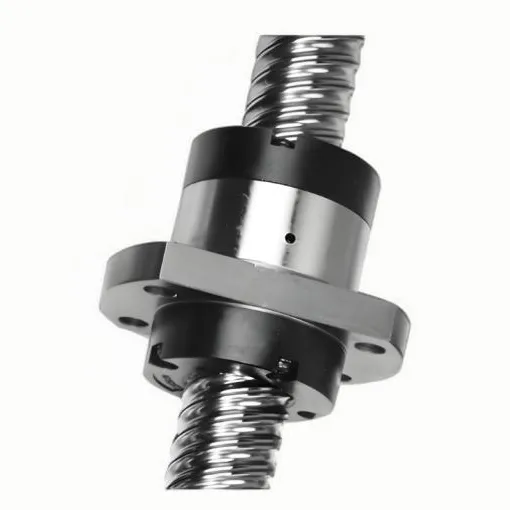
rocket pinion
Introduction to Advanced Linear Motion Technology In the realm of industrial automation, precision, durability, and efficiency are paramount. As technological advancements continue to redefine manufacturing landscapes, the demand for sophisticated linear motion components that can withstand rigorous operational demands while delivering exceptional performance has surged. This article delves into a
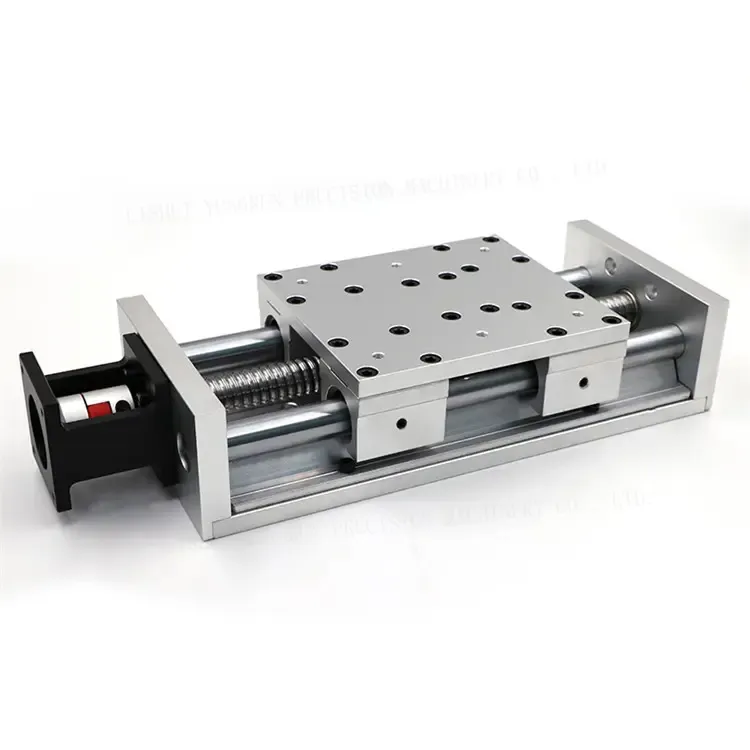
linear slide rail
Introduction to Heavy Duty Linear Bearing Slides In industrial automation and heavy machinery, precision, durability, and reliability are paramount. Linear motion systems are foundational components, enabling controlled, accurate movement for a multitude of applications. Among these, the WE Series Linear Guides WE15 WE20 Heavy Duty Linear Bearing Slides stand out as a robust solution engineered to
YIDI MOTION offer v good service. Delivery: Very fast Quality: High performance Service: Help me much with my products The ball screw is well, I use it on my machine, worke properly.

When picking a supplier we balance price, quality, professionalism, and lead time. Although your quote is not the cheapest, we value your professionalism and expertise in making ball screws.so we choose YIDI as our final supplier

I have visited Yidi Company last year, they can provide a lot of laser equipment accessories, professional is very good, and to our new products to provide very good solutions

We repair a lot of screw, the number is small, Yidi can order a piece, and according to our drawings machining shaft end, perfect for our equipment, this service is great

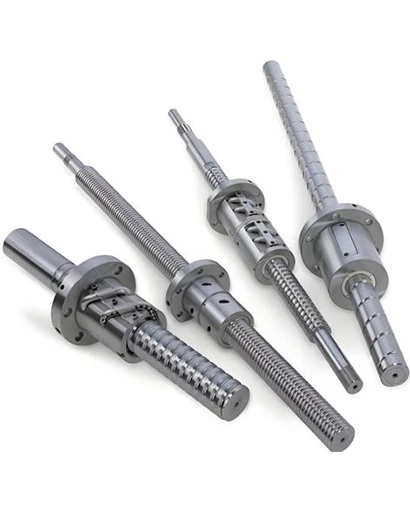
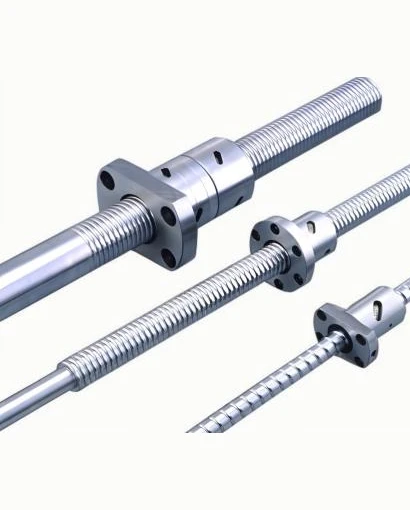
Compared With Traditional Sliding Screws, Ball Screws Transmit Power Through Rolling Friction, With A Mechanical Efficiency Of More Than 90%, Which Significantly Saves Energy. With Extremely Small Backlash And Predictable Linear Motion Accuracy, They Are Suitable For High-Precision Cnc Equipment, Automated Machinery And Other Scenarios.
Quickly find the problems you encounter most often
Follow Our Blog
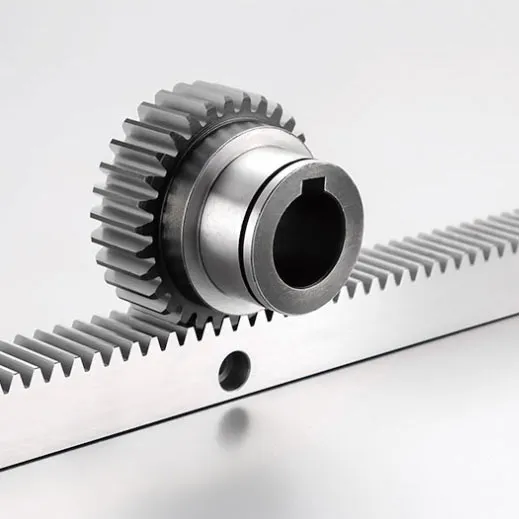
Gear And Rack is a key solution in the manufacturing industry, specifically within General eq
2026-04-02 06:00

Gear And Rack is a key solution in the manufacturing industry, specifically within General eq
2026-04-02 04:23
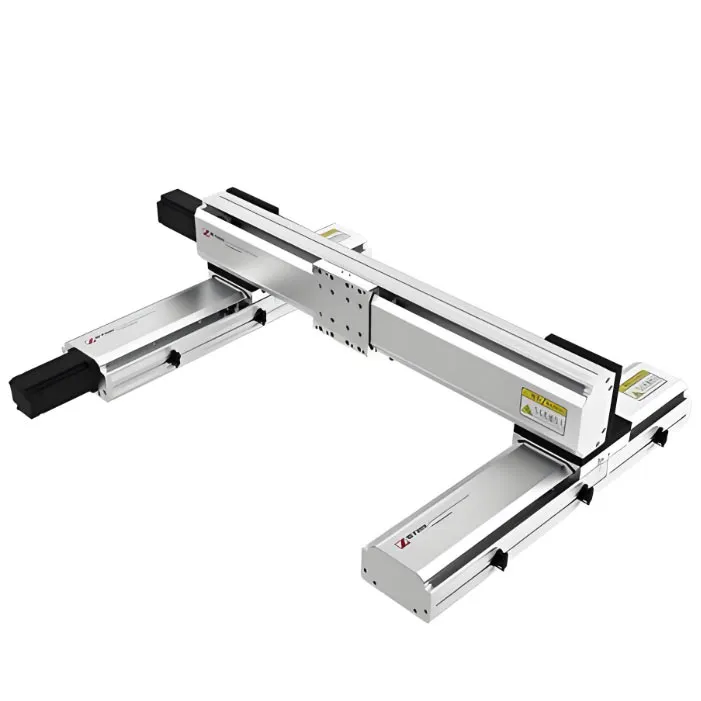
Gear And Rack is a key solution in the manufacturing industry, specifically within General eq
2026-04-02 04:20


